

By Sophia Martinez
Big Changes for Water Rates and System Upgrade
The City Council adopted the Fairfield Public Utility Master Plan (PUMP) in June 2025, outlining upgrades over 20 years to Hutch into the water system. Aging pipelines, storage tanks, pump stations and treatment facilities are in need of repair and replacement to meet rising operational costs and demand. Fair-priced water rates, historically among the lowest in the region, will see annual increases of roughly 8 percent for five years starting January 2026. These adjustments aim to close funding gaps and ensure reliable service for both current and future users. Average single-family bills are expected to rise by about $5–7 per month in the first year.
Roads, Parks, and Other Critical Capital Projects
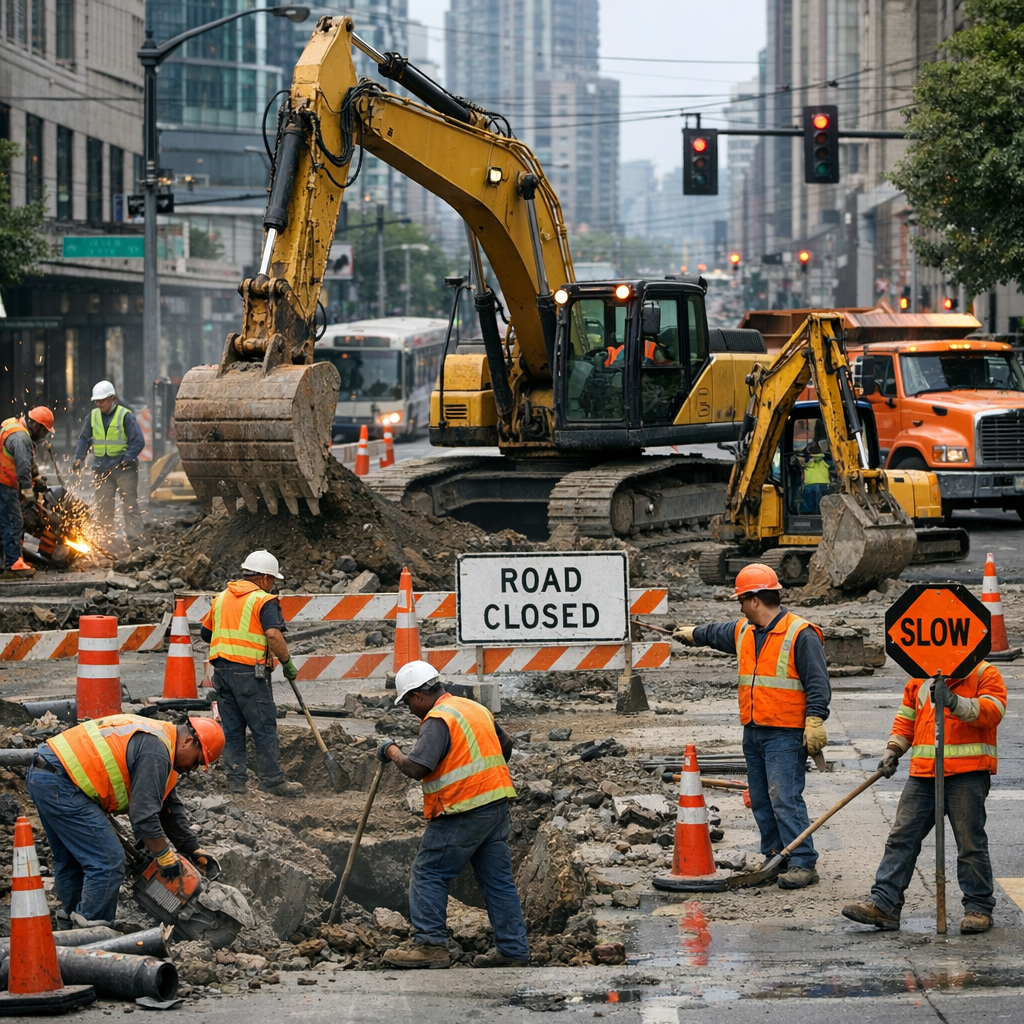
Fairfield’s Public Works Department is managing several major projects: pavement maintenance in the Rancho Solano neighborhood, repairs to Lopes Road and its water pipeline after a landslide, and improving signal visibility citywide. New watermain reconstruction, park restrooms, and sewer and sidewalk gap closure work are in various stages. The Loeps Road project (in coordination with neighboring Benicia) responds to storm damage and is especially high impact.
Meanwhile, the Manuel Campos Parkway extension continues progressing. The segment from Clay Bank Road to Portland Drive has cleared safety review and is moving to bid; utility relocation (especially power lines) is underway on other segments. Completion is anticipated by mid-2027.
Emerging Pressures: Budget, Housing, Traffic
City leadership recognizes Fairfield faces an estimated structural deficit around $11 million annually. Rising costs, aging infrastructure, and funding demands for public safety and services are leading to tension between needed investments and limited revenue.
Housing remains another pressure point. Vacant land in outlying northeastern areas could accommodate higher-density development, but it’s limited by infrastructure constraints—roads, utilities, and access need improvement before development can scale. Land use policies and environmental constraints (noise, traffic, air quality) also play roles.
Traffic woes are surfacing in many districts. The Red Top Road/Interstate-80 exit handles school traffic daily and remains a safety concern with limited shoulders and propped-over parent drop-offs. Planned widening and interchange projects (Red Top Road, I-80/I-680/SR-12 phases) have yet to fully materialize.
What’s Next for Fairfield Residents
- Expect rate notices and detailed impact breakdowns as water rate increases take effect early in 2026.
- Be aware of construction impacts: noise, occasional lane closures, utility interruptions along construction zones—particularly involved segments of School Street, Manuel Campos Parkway, and road maintenance projects.
- Stay engaged: the city is inviting public input on broadband infrastructure, drainage, micro-trenching rules, and more. These policies may shape permit timelines, residential cost burdens, and development pace.
Fairfield is at a crossroads. With many pieces in play—from water reliability and roads to housing access and traffic flow—the next few years of planning and execution will likely define how well the city meets its growing demands.