
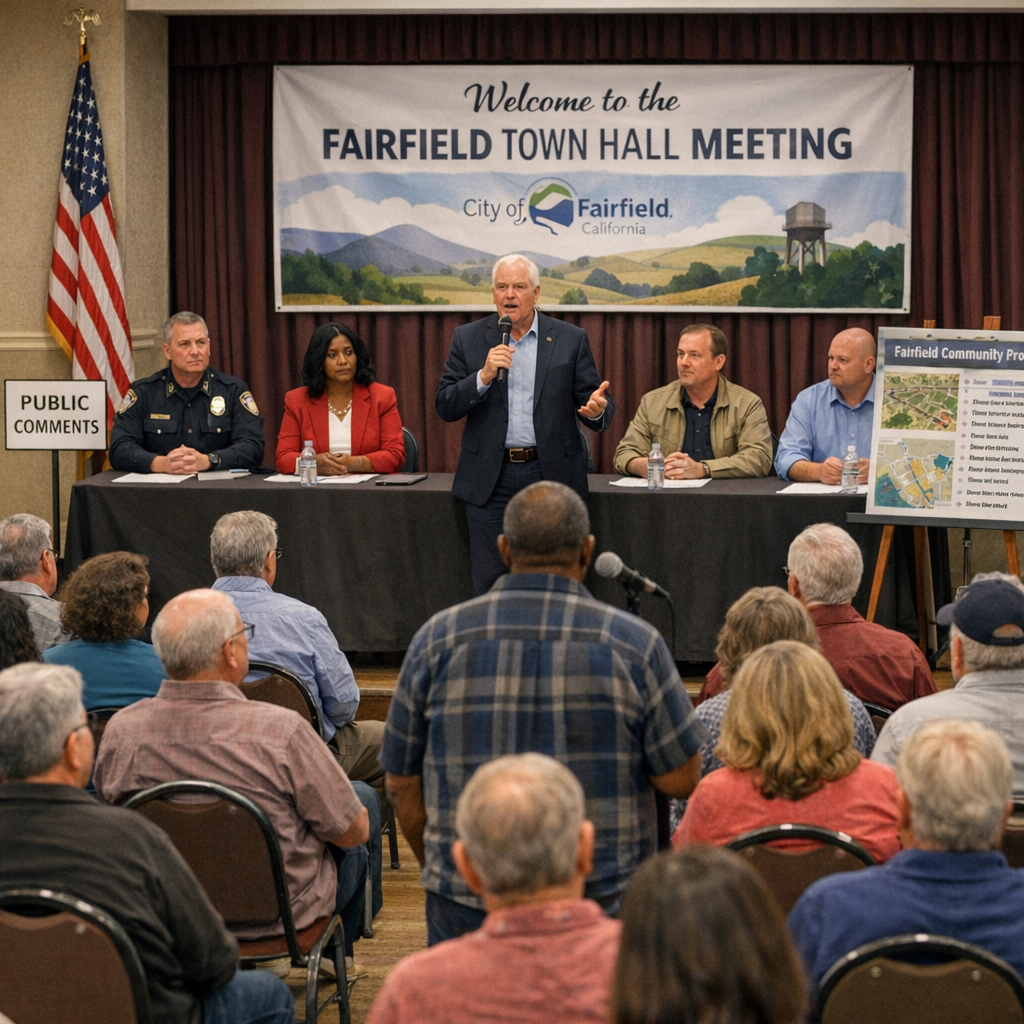
My name is Benjamin Perez, and like many of you, I’ve been walking the streets of Fairfield, attending meetings, and listening closely. In these conversations—whether at town halls, online forums, or casual chats—I’ve heard recurring themes that signal both concern and hope for our city.
What People Are Saying
One issue the community repeatedly names as urgent is homelessness. In a recent Fairfield survey, homeless outreach programs and shelter services emerged as priorities for many residents. They want meaningful solutions—not just patches, but efforts that include support, dignity, and long-term planning.
Closely related are worries about public safety, housing affordability, and neighborhood character. Some say rapid development threatens what made Fairfield home in the first place. Others point to rising rents, limited affordable units, and the pressure on working-families who feel squeezed on all sides.
Many also wish for better engagement from city leaders—more transparency, earlier outreach, clearer explanations of projects that affect neighborhoods. People don’t ask for all answers, but they want to be part of the discussion before decisions feel settled.
Where Tensions Are Sharpest
The proposed Vista Ridge project in Paradise Valley is one example. It aims to convert a former hotel into permanent, supportive housing for people facing homelessness, including those with behavioral health concerns or veterans. Neighbors have expressed fears around safety, questions about barriers, and concerns that they weren’t involved soon enough in the planning process. Council members responded by voting to rezone the property—but two of them said the community engagement had been insufficient. This tension—between urgent housing needs and local concerns—is one of the most visible in our city right now.
At the same time, many voices support these kinds of projects, arguing that long-term benefits—reduced homelessness, stronger social services, and healthier neighborhoods—must be weighed alongside valid concerns. Neither side seems willing to accept a compromise without being heard.
What Fairfield Needs Moving Forward
- Deeper community engagement: Let’s build processes where neighbors are involved from day one—not just after maps and zoning changes are drafted.
- Balanced growth with character: We can welcome new housing and infrastructure while preserving what gives Fairfield its identity—open space, pride in neighborhoods, environmental quality.
- Support for those who need it most: Mental health, affordable housing, homelessness services don’t just cost money—they require cooperation among nonprofits, government, and everyday residents.
- Civic transparency: Project details, timelines, promises—public, clear, and accessible. We all deserve that.
A Collective Responsibility
None of these challenges are new. But the strength of Fairfield isn’t that we’ve avoided trouble—it’s that we talk about it. We show up and we care. Town halls are full, petitions gain traction, and people who feel overlooked still keep pushing. That energy—our shared frustration, our shared hopes—can be a force for something constructive.
If there’s one thing I’ve learned in listening to our neighbors, it’s this: true community voice means both speaking and being heard. Let’s make sure we—and everyone in Fairfield—get both.