

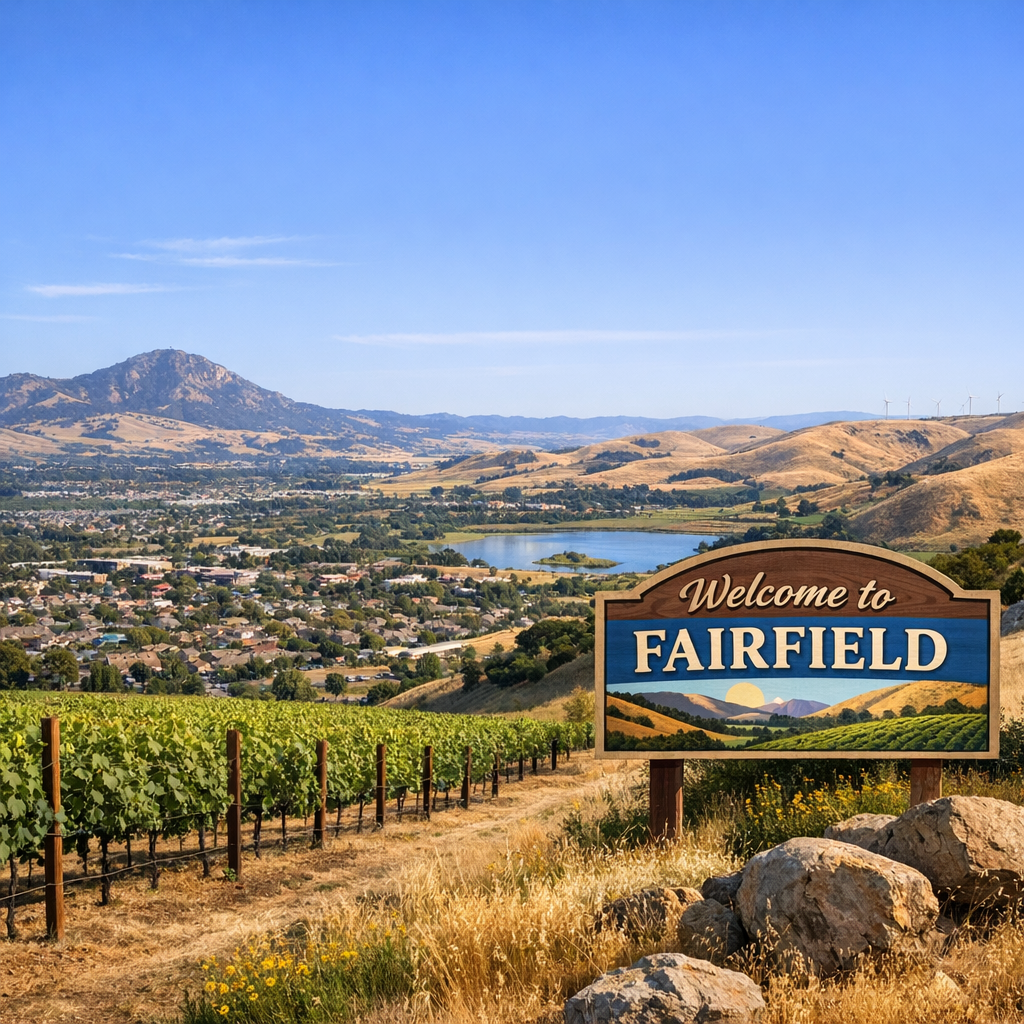
Fairfield, California, experiences a Mediterranean climate, marked by hot, dry summers and mild, wet winters. This climate pattern influences various aspects of daily life, from outdoor activities to agricultural practices. Understanding these seasonal variations can help residents and visitors make the most of what Fairfield has to offer year-round.
Summer: Warm and Dry
Summers in Fairfield are typically long and warm, with average high temperatures ranging from 80°F to 87°F (27°C to 31°C) between June and October. July is often the hottest month, averaging a high of 86°F (30°C) and a low of 58°F (14°C). Rainfall during this period is minimal, with July and August receiving little to no precipitation. The low humidity and clear skies make it an ideal time for outdoor activities, though it’s important to stay hydrated and protect against sun exposure.
Winter: Mild and Wet
Winters are short and mild, with average high temperatures below 61°F (16°C) from late November to mid-February. January is typically the coolest month, with average lows around 38°F (3°C) and highs near 56°F (13°C). This season brings the majority of Fairfield’s annual rainfall, averaging around 21 inches (533 mm) per year, primarily between November and March. The increased precipitation supports local agriculture and replenishes water resources.
Spring and Fall: Transitional Seasons
Spring and fall serve as transitional periods, offering moderate temperatures and varying precipitation. Spring sees a gradual warming trend, with April averaging highs around 70°F (21°C) and lows near 46°F (8°C). Fall experiences a cooling trend, with October averaging highs of 77°F (25°C) and lows of 50°F (10°C). These seasons provide comfortable conditions for outdoor activities and are often favored for their mild weather.
Environmental Considerations
Fairfield’s climate also presents environmental challenges, particularly during the dry summer months when the risk of wildfires increases due to low humidity and high temperatures. Residents are encouraged to stay informed about fire safety measures and adhere to local guidelines to mitigate risks. Additionally, the city actively monitors stormwater quality to prevent pollution and protect local waterways, emphasizing the importance of community involvement in environmental stewardship.
By understanding Fairfield’s climate patterns, residents can better prepare for seasonal changes, participate in appropriate activities, and contribute to the community’s environmental well-being.